0 Comments

You know that smell. That damp, musty, funky smell that tells you mildew has moved in. But do you know how to remove mildew smell? It’s one of those household headaches that seems to pop up out of nowhere, whether it’s from a load of laundry you forgot in the washer or towels that just didn’t quite dry. I’ve been there more times than I can count!
It’s so frustrating to pull out something you thought was clean, only to be hit with that lingering odor. The good news is, you don’t need harsh chemicals to fight back. The solution is probably already sitting in your pantry.
Finally Getting Rid Of That Musty Mildew Smell
The secret weapons in this battle are two simple, hardworking ingredients: white vinegar and baking soda. This duo is my absolute go-to for neutralizing those stubborn odors and getting to the root of the problem, and they work on everything from your favorite t-shirt to your shower curtain.
Why Mildew Happens In The First Place
Before we dive into the solutions, it helps to understand what you’re up against. Mildew is a type of mold, and it absolutely thrives in damp, dark, warm places where the air doesn’t move much.
Sound familiar? Think about these common culprits:
- A pile of wet towels left on the bathroom floor.
- That load of laundry you meant to move to the dryer before bed.
- Clothes stored away in a slightly damp basement closet.
In every one of these scenarios, trapped moisture creates the perfect breeding ground for mildew, which then produces that signature smell. But don’t worry—getting rid of it is much easier than you think. And if you’re looking for more ways to keep your whole house smelling fresh, there are some great comprehensive strategies for making your house smell good and eliminate odors.
To get you started, I’ve put together a little cheat sheet. Think of it as your quick-reference guide for the most common mildew problems!

My Go-To Mildew Smell Solutions
Here’s a quick look at common mildew problem areas and the best first natural solution to try for each.
| Problem Area | My First-Step Solution | Why It Works Wonders |
|---|---|---|
| Laundry & Towels | White Vinegar in the wash cycle | The acid in vinegar is fantastic at breaking down and killing mildew spores while also neutralizing those musty odors. |
| Washing Machine | Baking Soda & Vinegar cycle | This powerful combination scours away smelly residue and gross buildup inside the machine’s drum and seals. |
| Hard Surfaces | Spray with diluted vinegar | It’s a natural disinfectant that not only cleans the surface but also eliminates the source of the smell without harsh chemicals. |
| Musty Air | Bowls of Baking Soda | Baking soda is a rockstar at absorbing excess moisture and bad smells directly from the air in closets or bathrooms. |
These are the simple, first-line defenses I always turn to. They’re effective, cheap, and you probably already have everything you need to get started right now.
Refreshing Your Laundry And Fabrics
Is there anything more frustrating than pulling a load of laundry from the washer, expecting that wonderful clean smell, and getting a face full of musty basement instead? Ugh, it drives me nuts!
This usually means wet clothes have been sitting around for too long, which is basically an open invitation for mildew to move in. But don’t worry, I have a few tricks up my sleeve to kick that stubborn mildew smell to the curb for good.
My go-to solution involves two simple pantry staples: white vinegar and baking soda. They are absolute magic together, but the real key is knowing exactly how and when to use them in the wash cycle.

Using Vinegar And Baking Soda The Right Way
For a load of musty-smelling towels or clothes, toss them in the washer as you normally would. But here’s the important part: pour one cup of white vinegar directly into the drum on top of the laundry. Don’t add any detergent yet! The vinegar needs to work its magic first, breaking down those smelly mildew spores.
Go ahead and run a full wash cycle using the hottest water setting your fabrics can safely take. That hot water is your best friend when it comes to killing off mildew and bacteria.
More Ideas You'll Love

My Pro Tip: If the smell is really hanging on after that first vinegar wash, whatever you do, don’t throw the clothes in the dryer! Just leave them in the machine and run a second cycle. This time, add half a cup of baking soda (still no detergent!) and wash again on hot. The baking soda is fantastic at absorbing and neutralizing any lingering odors.
After those two cycles are done, you can finally run a normal wash with your regular detergent. This little method has rescued so many of my favorite towels from becoming sad garage rags! For more tips on keeping your laundry smelling great, check out my top 7 secrets for fresh-smelling laundry.

When The Problem Is Your Washing Machine
Sometimes, the musty smell isn’t actually on your clothes—it’s coming from the washing machine itself! It’s amazing how quickly soap scum, lint, and moisture can build up in the drum, the rubber gasket, and all those other hidden spots. If your “clean” laundry always seems to come out smelling a bit funky, it’s probably time to give your machine a good cleaning.
I have a simple monthly routine for this that only takes a few minutes but makes a world of difference.
- Clean the Gasket: On a front-loader, that rubber seal around the door is a major culprit. Gently pull it back and wipe down all the folds with a cloth dipped in a 50/50 mix of white vinegar and water. You might be surprised by the gunk you find!
- Run a Cleaning Cycle: Pour two cups of white vinegar into your detergent dispenser and then sprinkle a half-cup of baking soda directly into the empty drum. Run the machine on its hottest cycle.
- Leave the Door Open: This is the easiest tip of all! Once you’re done with laundry for the day, just leave the washer door cracked open. This lets the inside air out and dry completely, stopping mildew from growing in the first place.
By tackling both the laundry and the machine, you’ll get to the real source of the problem instead of just masking it. You’ll be well on your way to getting rid of that mildew smell for good.
Tackling Odors On Household Surfaces
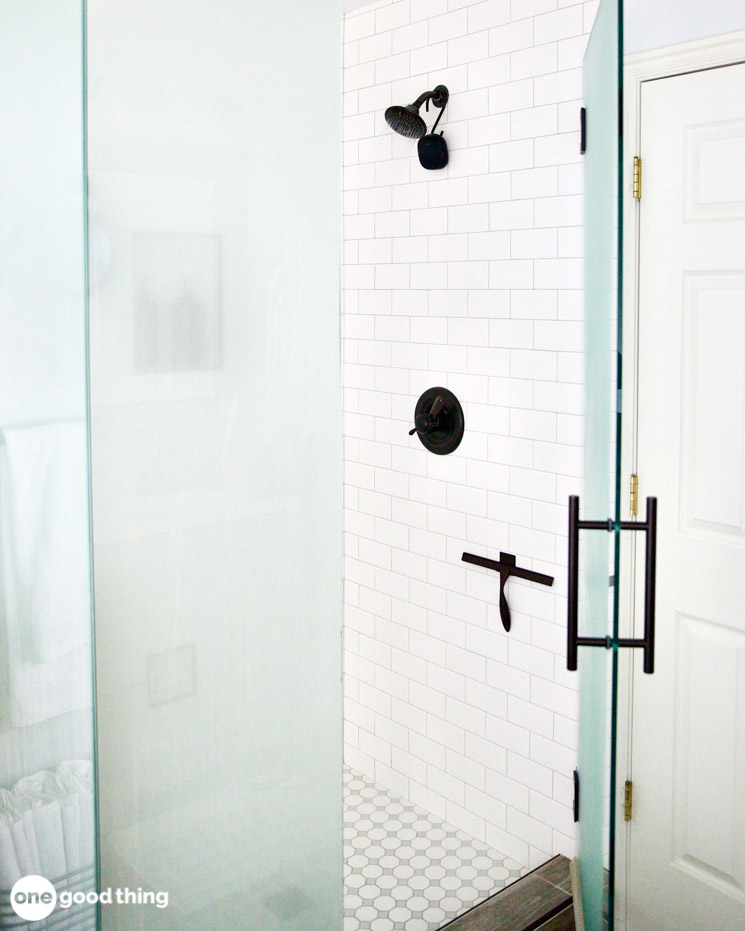
Mildew doesn’t just stick to our clothes and towels; it loves to settle onto surfaces all around our homes. I’ve found it in the most unexpected places, from the grout in my shower to wooden furniture that was stored away in a damp corner of the garage.
Each of these surfaces needs a slightly different touch to get rid of that musty smell without causing any damage. It’s all about using the right simple solution for the right job, and I’m excited to share my favorite homemade cleaners that have worked wonders for me.
My Go-To All-Purpose Cleaning Spray
For hard, non-porous surfaces like countertops, tile, or even the inside of a musty cabinet, I mix up a super effective (and safe!) cleaning spray. It’s my first line of defense against that lingering mildew smell.
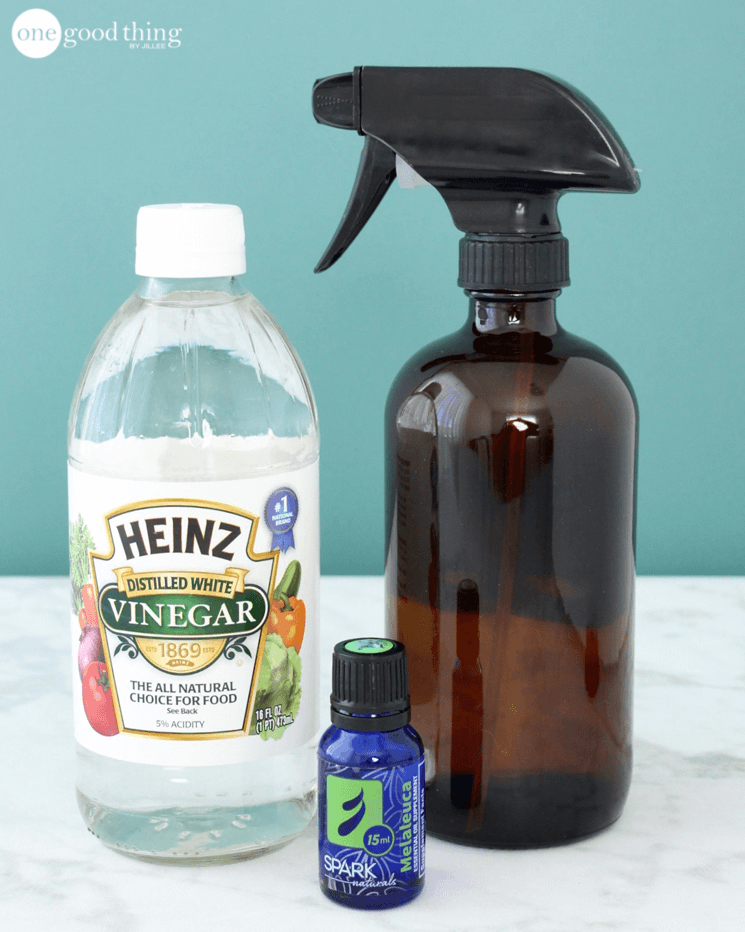
All you need to do is fill a spray bottle with equal parts white vinegar and water. For an extra cleaning boost and a fresher scent, I like to add about 10-15 drops of tea tree essential oil. Tea tree oil is a fantastic natural antifungal, which makes it perfect for this job!
Just spray the solution directly onto the surface, let it sit for about ten minutes to really work its magic, and then wipe it down with a clean, damp cloth. It cuts right through the smell and cleans the surface beautifully.
More Ideas You'll Love

For Delicate Surfaces Like Wood and Upholstery
You have to be a little more gentle with things like wooden furniture or upholstered chairs. You can’t just douse them in vinegar! My secret weapon for these items is something we all have access to: sunshine.
If you can, take the musty piece of furniture or the cushions outside on a bright, sunny day. The UV rays from the sun are amazing at killing mildew spores and airing out those trapped odors. Let them sit outside for several hours, and you’ll be amazed at the difference.
If the smell is particularly stubborn on wood, I’ll place a small, open bowl of baking soda inside a drawer or cabinet. I sprinkle a few drops of lavender essential oil into the baking soda, which helps absorb the odor and leaves behind a much nicer scent! Leave it for 24-48 hours, and it will smell so much fresher.
Those Tricky Spots Like Grout and Carpets
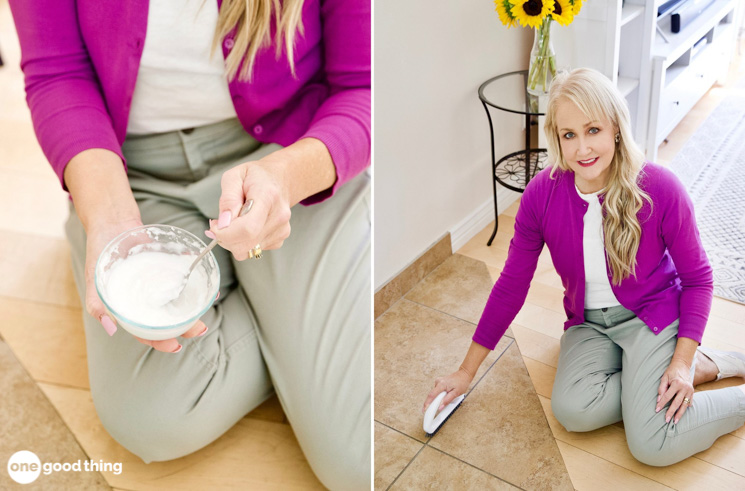
Grout can be a real magnet for mildew, especially in the bathroom. For this, I make a thick paste using baking soda and a little bit of water. I apply it directly to the grout lines, let it sit for about 15 minutes, and then scrub it with an old toothbrush before rinsing. If you need more tips, I’ve shared the best way to clean grout that gets it sparkling clean.
For carpets, sprinkle a generous amount of baking soda and your favorite essential oil over the smelly area. (I like to use Simple Clean for this.) Let it sit for several hours (or even overnight!) to absorb the odor, and then vacuum it up thoroughly. This simple trick can pull that musty smell right out of the fibers without any harsh chemicals.
Freshening the Air in Your Entire Home
Sometimes that musty mildew smell isn’t just coming from a forgotten pile of towels or a single damp corner in the basement. It feels like it’s taken over the whole house!
When that unpleasant odor is just lingering everywhere, you have to think bigger than spot-cleaning. It’s time to tackle the air itself.
This is all about improving your home’s overall air quality, and thankfully, it doesn’t require a lot of complicated steps or expensive gadgets. It often starts with something wonderfully simple.

Let the Fresh Air In
Never underestimate the power of good old-fashioned ventilation! Mildew absolutely loves stagnant, damp air, so one of the very best things you can do is get that air moving and out of your house.
On a nice, dry day, just throw open the windows and doors for a while. Creating a cross-breeze is a fantastic way to flush out all that stale, musty air and bring in the fresh stuff. It’s amazing what a difference even thirty minutes of fresh air can make for your entire home.
Use Natural Odor Absorbers
Before you reach for a chemical-heavy air freshener spray from the store, try using a natural odor absorber instead. These work by actually trapping and neutralizing smells, not just covering them up with another scent.
And the best part? You probably already have what you need right in your kitchen pantry!
You can place small bowls filled with these natural deodorizers in smelly rooms, closets, or basements. Just set them out and let them do their work quietly in the background. It’s so easy!
Here are a few of my go-to options:
- Baking Soda: An open box or a small bowl of baking soda is a powerhouse at absorbing both moisture and bad smells from the air.
- Activated Charcoal: This stuff is incredibly porous, which makes it an amazing odor magnet. You can find it in little bags or pucks designed specifically for this purpose.
- White Vinegar: A small bowl of vinegar left out for a few hours can also help neutralize airborne odors. The vinegar smell will disappear as it dries, taking the musty smell right along with it.
If you do want to add a pleasant scent back into the air, you don’t have to rely on store-bought options. It’s so simple to make your own customized essential oil air freshener spraythat smells wonderful without any harsh ingredients.
Control the Moisture at the Source
Ultimately, to permanently banish that mildew smell from the air, you have to control the moisture. Mildew can’t grow without it! This is where a dehumidifier becomes an absolute game-changer, especially for chronically damp areas.
Think about places like your basement, a laundry room without good ventilation, or a bathroom that always feels a bit steamy after a shower. Running a dehumidifier in these areas pulls that excess moisture directly out of the air, making the environment much less hospitable for mildew.
By keeping the humidity levels in check, you’re not just freshening the air; you’re cutting the problem off at the source. This proactive step is one of the most effective ways to ensure that musty smell doesn’t come back.
How to Keep Mildew Smells from Coming Back
Whew! Getting rid of an existing mildew smell feels like such a huge victory, doesn’t it? But as wonderful as that is, the real prize is making sure that musty odor never comes back to visit.
When it comes to musty smells, prevention is truly the best medicine. By creating a few simple, everyday habits, you can make your home a very unwelcome place for mildew to grow. It’s all about managing moisture and promoting good airflow.
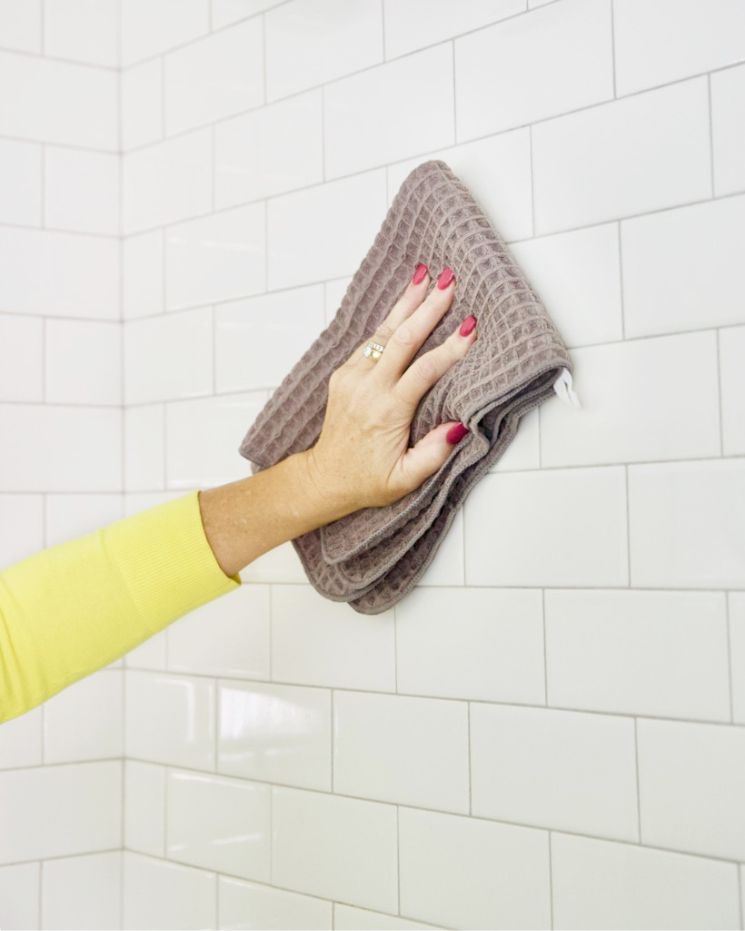
Create Simple Daily Habits
The biggest battles are often won with small, consistent actions. You don’t need to do a deep clean every day, but a few key habits can make a massive difference in keeping mildew at bay.
These are things that take just a minute or two but stop moisture from settling in.
- Wipe Down the Shower: After your daily shower, take a squeegee or a small towel and quickly wipe down the walls and door. This removes the excess water that mildew loves.
- Run the Exhaust Fan: Always turn on the bathroom fan during your shower and leave it running for about 15-20 minutes afterward. This pulls all that steamy, damp air right out of the room.
- Hang Towels to Dry: Never leave wet towels in a pile on the floor! Make sure to hang them up, spread out, so they can air dry completely between uses. Here’s the cure for smelly towels.
- Don’t Let Wet Clothes Sit: This is a big one! Try to move your wet laundry into the dryer or hang it up as soon as the wash cycle finishes. A forgotten load is a playground for mildew.
Manage Your Home’s Environment
Beyond your daily routines, a little bit of environmental control goes a long way. This is about tackling the two main ingredients mildew needs to thrive: moisture and stagnant air.
Controlling humidity is probably the single most important thing you can do. A dehumidifier can be a lifesaver in damp basements, bathrooms, or laundry rooms. Keeping your home’s humidity level below 50% creates an environment where mildew just can’t get a foothold.
Ultimately, the most effective way to keep mildew smells from returning is to learn how to control humidity in your house and prevent mildew growth. If you want to dive deeper, there are some wonderful expert tips for controlling humidity in your house.
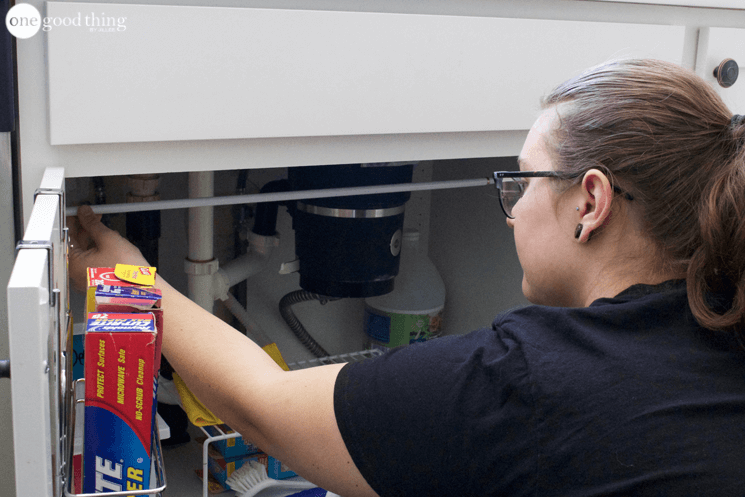
Perform Regular Mildew Check-Ups
Every once in a while, it’s a good idea to play detective and check on those sneaky, out-of-the-way places where moisture can hide. I like to do a quick check-up every few months, especially during seasonal changes when humidity levels fluctuate.
Here’s my simple checklist for these little inspections:
- Under Sinks: Check the cabinets under your kitchen and bathroom sinks for any signs of slow leaks or dampness. A small puddle can go unnoticed for weeks.
- Around Windows: Inspect window sills for condensation, which can dampen the surrounding wood or drywall, creating a perfect spot for mildew.
- Washing Machine Gasket: Give the rubber seal on your front-loading washer a quick wipe. This is a prime spot for smelly buildup. If you notice a persistent funk, it might be time to learn the best way to clean your washing machine from top to bottom.
- Closet Corners: Peek into the back corners of closets, especially those on exterior walls, to make sure they feel dry and don’t have that tell-tale musty smell.
By staying on top of these little things, you’ll solve the root of the problem. You’re not just getting rid of a mildew smell; you’re creating a home where it never feels welcome in the first place.
Common Questions About Mildew Smells
Over the years, I’ve gotten so many great questions about tackling that stubborn, musty mildew smell. It seems to pop up in the trickiest of places!
I wanted to share a few of the most common ones I hear, along with my simple, get-it-done answers. I hope these quick tips help you solve your odor problems for good!
Will Bleach Kill the Mildew Smell on My Clothes?
Yes, bleach is definitely effective at killing mildew spores on clothes, but oh my goodness, you have to be so careful! It’s really only safe for solid white, bleachable fabrics. If you use it on your colored clothing, you risk leaving faded spots or even damaging the fabric itself.
For anything with color, I always, always recommend using white vinegar in the wash cycle instead. It’s a much safer alternative that is surprisingly powerful at killing mildew without harming your favorite clothes.
The most important first step, though, is to always check the care label on your garment!
My Car Has a Mildew Smell. What Can I Do?
Oh, a musty-smelling car is just the worst, isn’t it? The first thing you need to do is play detective and find the source of the moisture. Check under the floor mats, look for old spills on the seats, and inspect the window seals to make sure there isn’t a small leak somewhere.
Once you’ve found the damp spot and let it dry out completely, you can tackle the smell.
1. Clean the Upholstery: Mix up a simple spray of equal parts white vinegar and water. Lightly mist it onto the carpets and fabric seats, but be sure to test it on a small, hidden area first to make sure it doesn’t affect the color.
2. Absorb the Odor: Leave an open box of baking soda or a container of activated charcoal in the car overnight. These are fantastic at soaking up those lingering bad smells.
3. Air It Out: On the next dry, sunny day, park your car in the sun and leave the windows cracked open for a few hours. A little fresh air and sunshine can work wonders!
My Little Trick: For a really persistent car smell, I’ll sometimes put a few cotton balls with a couple of drops of lemon or peppermint essential oil under the seats. It leaves behind a wonderfully fresh scent after you’ve dealt with the source of the mildew.
Is the Mildew Smell Actually Harmful?
That musty smell you’re noticing is caused by the gasses released by mildew, which is a type of mold. And yes, it can be more than just an annoying odor. For many people, exposure to mildew can trigger allergic reactions.
This can look like a stuffy or runny nose, itchy eyes, sneezing, or even skin irritation. For anyone with asthma or other respiratory conditions, the effects can be more serious, potentially triggering an asthma attack.
That’s why it’s so important to not just cover up the smell but to actually remove the source of the mildew. When you’re ready to tackle the source, you can find simple, effective methods for getting rid of mold and mildew naturally. Getting rid of it makes the air in your home healthier and safer for everyone in your family.
Have you ever had to deal with a mildew problem?